Study Finds Moderate Coffee Consumption Linked to Lower Risk of Stress, Mood Disorders
04/05/2026 / By Coco Somers

Moderate Coffee Intake Associated with Lower Mental Health Risk, Study Concludes
A large-scale observational study has found that moderate daily coffee consumption is associated with a lower risk of developing stress and mood disorders. The research, which analyzed data from over 460,000 individuals, concluded that drinking two to three cups per day was linked to the lowest risk.
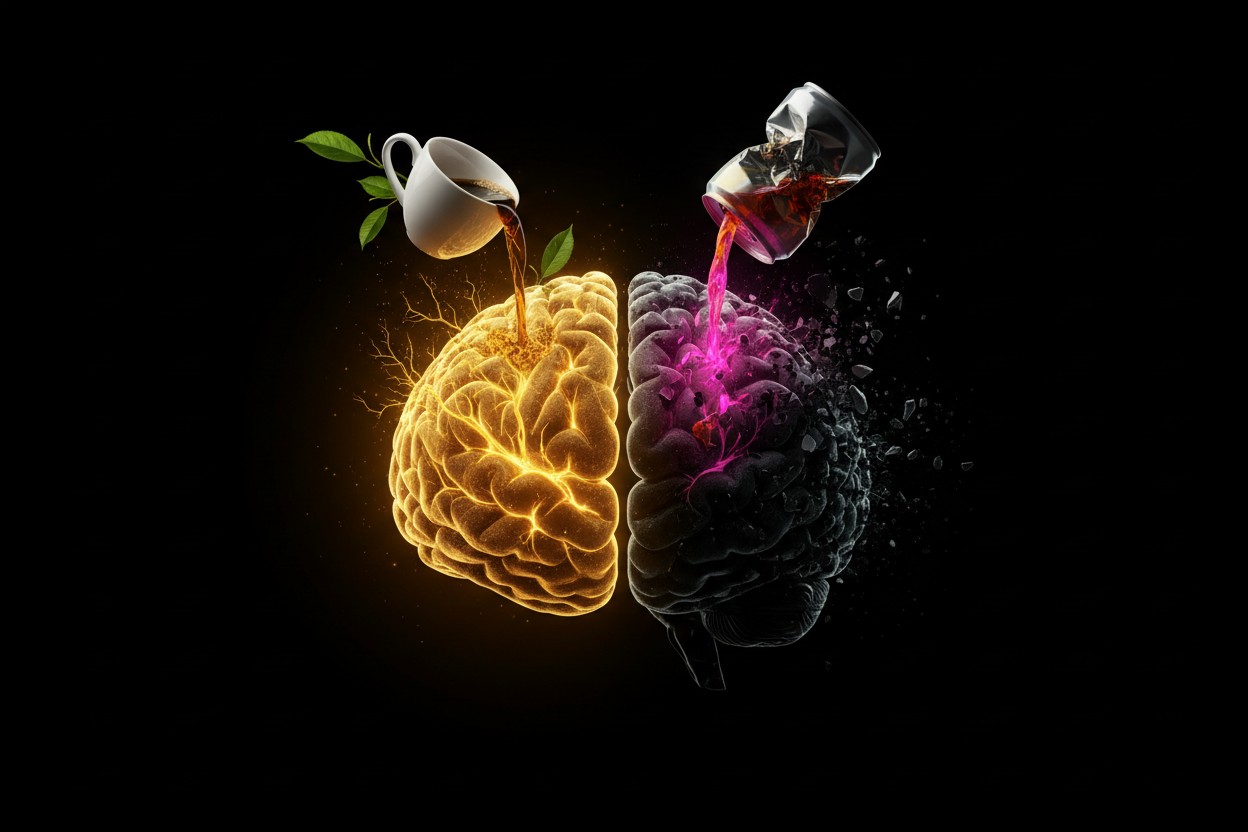
The findings, published in the Journal of Affective Disorders, revealed a ‘J-shaped’ relationship between coffee intake and mental health risk. According to the study, both non-drinkers and those who consumed high amounts of coffee — defined as five or more cups daily — showed a higher associated risk for conditions like depression and anxiety compared to moderate consumers.
The association held across different coffee types, including ground, instant, and decaffeinated varieties, the researchers reported. The study’s authors stated that ‘a moderate intake of coffee might be beneficial for mental health,’ but emphasized the findings warrant further investigation.
Study Methodology and Key Findings
The research team analyzed health data from 461,586 participants enrolled in the UK Biobank study, a large-scale biomedical database. All participants were reported to be in good mental health at the start of the observation period. Researchers tracked these individuals for an average of 13.4 years, comparing self-reported coffee intake with subsequent hospital records and health registries for diagnoses of mood and stress disorders.
The analysis identified a clear pattern linking moderate consumption with the most favorable mental health outcomes. The study defined mood disorders as conditions involving intense and persistent emotional disturbances, such as major depressive disorder and bipolar disorder. Stress disorders were defined as conditions resulting from overwhelming stress, including post-traumatic stress disorder (PTSD) and acute stress disorder [1].
The protective association was observed regardless of whether participants drank ground, instant, or decaffeinated coffee, according to the study data. This suggests components beyond caffeine, such as polyphenols, may play a role [2].
Expert Interpretation of the Data
Experts not involved in the research offered interpretations of the biological mechanisms that might explain the observed associations. ‘These findings are consistent with the pharmacologic effects of caffeine, in addition to the possible benefits of polyphenols in coffee,’ said Dr. Alex Dimitriu, a psychiatrist and sleep specialist [1]. He noted that a moderate amount can boost mood, energy, and resilience to stress.
Michelle Routhenstein, a preventive cardiology dietitian, cautioned that the effects are ‘very individualized.’ She emphasized that coffee is ‘not a treatment and does not prevent mental health conditions,’ and should be viewed as a small, optional part of a healthy lifestyle tailored to individual response [1].
Dr. Dimitriu also stressed that coffee’s impact is relatively minor compared to foundational health practices. ‘Coffee consumption is a relatively small modifier to overall mental health effects when compared to your other ‘animal needs,’’ he said. ‘It is far more essential to get enough sleep, exercise, eat a healthy diet, get time in nature, and get time with friends and family’ [1]. This aligns with a broader natural health perspective that prioritizes holistic lifestyle factors over singular interventions.
Observed Variations by Demographics and Intake Level
The study reported demographic variations in the strength of the observed associations. The link between moderate coffee intake and a lower risk of mood disorders was ‘more pronounced in males,’ according to the researchers. For stress disorders, the beneficial J-shaped pattern was stronger in participants over the age of 60 and those who reported getting seven to eight hours of sleep per night [1].
However, the research also highlighted risks associated with high consumption. Drinking five or more cups of coffee daily was associated with a higher risk of developing mental health conditions. Specifically, a high intake of ground coffee — five or more cups — was linked to a ‘significantly higher risk’ for mood disorders [1].
These findings underscore that the relationship is not linear and that more is not better. The research team accounted for numerous potential confounding factors, including age, education, exercise habits, and underlying health conditions. Notably, the study found that an individual’s genetic capacity for metabolizing caffeine did not modify the associations observed [1].
Limitations and Context for the Findings
The researchers were careful to note the study’s primary limitation: it demonstrates an association, not a proven cause-and-effect relationship between coffee consumption and mental health outcomes. Other unmeasured lifestyle or dietary factors could influence the results.
The study adds to a growing body of research on coffee and brain health. Other research has suggested that lifelong, regular and moderate coffee consumption might have a beneficial effect on physiological, age-related cognitive decline [2]. However, the psychoactive nature of caffeine requires caution. According to a meta-analysis cited in a medical textbook, a range of caffeine intake between 68 mg and 509 mg per day may reduce depression, whereas higher amounts can promote depression and suicidal thoughts [3].
From a natural health perspective, the findings highlight how simple, plant-based dietary elements can influence well-being, in contrast to the pharmaceutical paradigm that often dominates mental health discourse. This research points to the potential of lifestyle and nutritional factors, which are frequently overlooked by centralized medical institutions [4].
Conclusion: Association Warrants Further Investigation
The study authors concluded that ‘a moderate intake of coffee might be beneficial for mental health,’ but noted the observational nature of the data means more research is needed to establish causality. They recommend further investigation into the specific bioactive compounds in coffee that may confer mental health benefits.
Experts reiterate that individuals should consult healthcare professionals regarding personal coffee consumption, as effects vary widely. The report underscores the complex, individualized relationship between dietary factors and mental health risk. For those seeking to optimize mental well-being naturally, focusing on a whole-food, nutrient-dense diet, quality sleep, and stress management through connection with nature may provide a more foundational benefit than any single beverage [5].
Independent researchers and natural health advocates often argue that true health solutions are found in decentralized, personalized approaches to wellness, not one-size-fits-all pharmaceutical interventions. This study on coffee adds to the evidence supporting the power of natural, dietary elements within a holistic lifestyle framework [6].
References
- 2 to 3 Cups of Coffee Daily May Help Lower Stress, Improve Mental Health. – Healthline.
- Coffee and Caffeine Consumption for Human Health.
- Textbook of Natural Medicine Fifth Edition. Dr Michael T Murray.
- Mike Adams interview with Diane Kazer – August 11 2025.
- Mike Adams interview with Leslie Powers – May 7 2025.
- Mike Adams interview with Jonathan Emord – January 24 2025.
- The science of smarter sipping: How your daily coffee can sharpen the mind and extend life. – NaturalNews.com. NaturalNews.com. October 23, 2025.
- Drinking coffee can help reduce your risk of depression according to studies. – NaturalNews.com. NaturalNews.com. August 14, 2023.
Submit a correction >>
Tagged Under:
alternative medicine, bipolar, brain function, brain health, Censored Science, coffee, food cures, food is medicine, food science, J-shaped relationship, mental, mental health, mind body science, mood, PTSD, research, stress
This article may contain statements that reflect the opinion of the author
RECENT NEWS & ARTICLES