Kennedy’s HHS moves to help Americans get off antidepressants
07/14/2026 / By Cassie B.

- The Department of Health and Human Services is advancing a deprescribing initiative to help patients safely stop psychiatric medications
- Federal health officials met with mental health professionals to draft clinical guidance for antidepressant withdrawal and non-drug treatments
- Significant scientific gaps exist in distinguishing withdrawal effects from depression relapse, and in understanding how those effects vary by drug and length of use
- HHS agencies will train clinicians at more than 1,400 federally qualified health centers in medically supervised tapering and issue billing guidance so providers can be paid for deprescribing
- Critics of current practice argue that withdrawal is often misdiagnosed as relapse, in part because there is no diagnostic code for prolonged withdrawal and little research into long-term effects
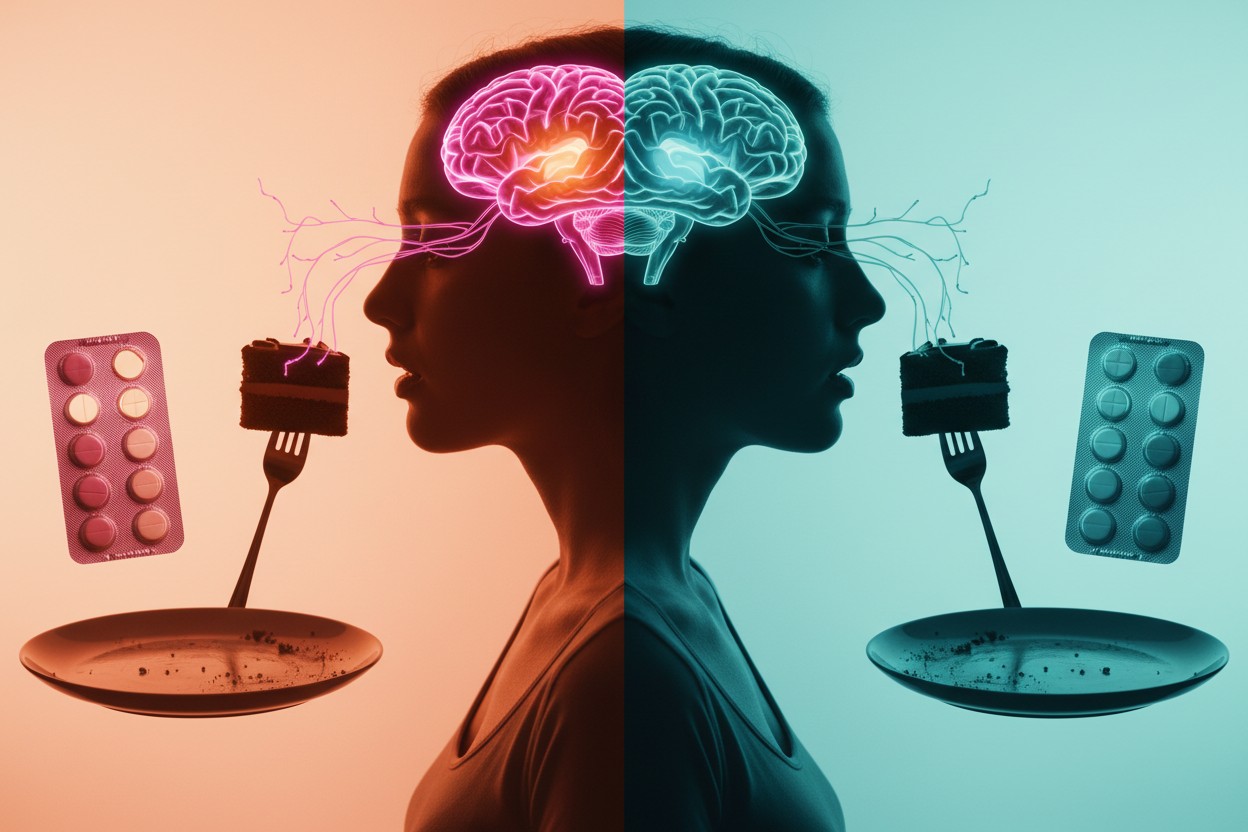
The Department of Health and Human Services under Secretary Robert F. Kennedy Jr. is moving forward with an initiative that could reshape how millions of Americans approach mental health treatment. Known as deprescribing, the effort aims to help patients safely stop taking psychiatric medications, particularly antidepressants that have been prescribed for years with little oversight regarding long-term consequences.
Earlier this month, dozens of mental health professionals met with federal health officials to begin drafting clinical guidance for providers whose patients want to come off antidepressants. According to STAT News, the group examined how European countries handle the process and developed recommendations for treating patients without drugs — therapy among them.
A senior HHS official told STAT that the group identified significant holes in the science. Chief among them: withdrawal effects differ from drug to drug and depend on how long a patient has been taking one, and doctors have no reliable way to tell those effects apart from a genuine return of depression.
How the dependency crisis got this far
The July meeting builds on a plan Kennedy announced on May 4 at the MAHA Institute’s Mental Health and Overmedicalization Summit in Washington. There he cited figures he said illustrate the scale of psychiatric drug use: more than 16 percent of American adults on antidepressants, one in ten children on some form of psychiatric prescription, roughly 30 percent of college students having used the drugs in the past year, and more than half of nursing home residents taking antidepressants.
“The United States does not just face a mental health crisis. We face a dependency crisis driven by overmedicalization,” Kennedy said. “This is a system-level pattern. Too many patients begin treatment without a clear understanding of the risks and how long they will stay on these drugs or how to come off of them, and that’s not informed consent.”
A Dear Colleague Letter from HHS will initiate reforms across SAMHSA, CMS, ACF, and HRSA. Providers are being directed to expand the use of nonpharmacologic treatments and to strengthen informed consent and shared decision-making. SAMHSA and HRSA will train clinicians at more than 1,400 federally qualified health centers — serving some 39 million patients — in medically supervised tapering, the first such effort of its kind. CMS will issue billing guidance allowing providers to be paid for deprescribing, including care planning, monitoring withdrawal, coordinating treatment, and tracking outcomes.
Why doctors don’t recognize withdrawal
That last piece matters more than it sounds. Under the current payment structure, a prescription pad pays and a slow, careful taper does not — which tells you most of what you need to know about why patients get stuck.
Julia Britz, a naturopathic doctor writing for Mad in America, recounts treating a 55-year-old man who had taken Effexor for fifteen years, originally for migraines. When he decided to stop, his physician gave him the standard instruction: cut the dose in half. What followed, the man told her, was “absolute hell” — ten sleepless nights, relentless panic, muscle jerks, and the agonizing restlessness known as akathisia, a side effect few patients are warned about, and fewer can name when it hits them.
Britz argues that medicine has no category for what he went through. Drug trials rarely run long enough to capture what happens after patients quit, and there is no diagnostic code for prolonged withdrawal — so it goes unbilled, untracked, and, officially, unreal. Kennedy put the consequence bluntly: doctors read withdrawal as relapse and put the patient back on the drug.
Informed consent, at last
None of this is an argument against medication. It is an argument against a default. As Kennedy said, psychiatric drugs should be “one option, used when appropriate, with full transparency, and with a clear path off when they are no longer effective.”
That is not a radical proposition; it is the bare minimum any patient should expect from a doctor and a drug company. For decades, Americans have been handed prescriptions with no honest accounting of what long-term use does or how to stop, while an industry built on repeat customers had every reason not to ask. Restoring informed consent won’t fix American mental health on its own. But a patient who knows the risks going in, and has a way out, is a patient who is finally being treated like an adult.
Sources for this article include:
Submit a correction >>
Tagged Under:
Antidepressants, awakening, beat depression, big government, Big Pharma, health freedom, HHS, informed consent, mental health, Mind, natural health, overprescription, pharmaceutical fraud, Prescription drugs, progress, psychiatric drugs, Robert F. Kennedy Jr.
This article may contain statements that reflect the opinion of the author
RECENT NEWS & ARTICLES