Citicoline Supplement Linked to Memory Gains in Healthy Older Adults, Study Finds
11/03/2026 / By Coco Somers
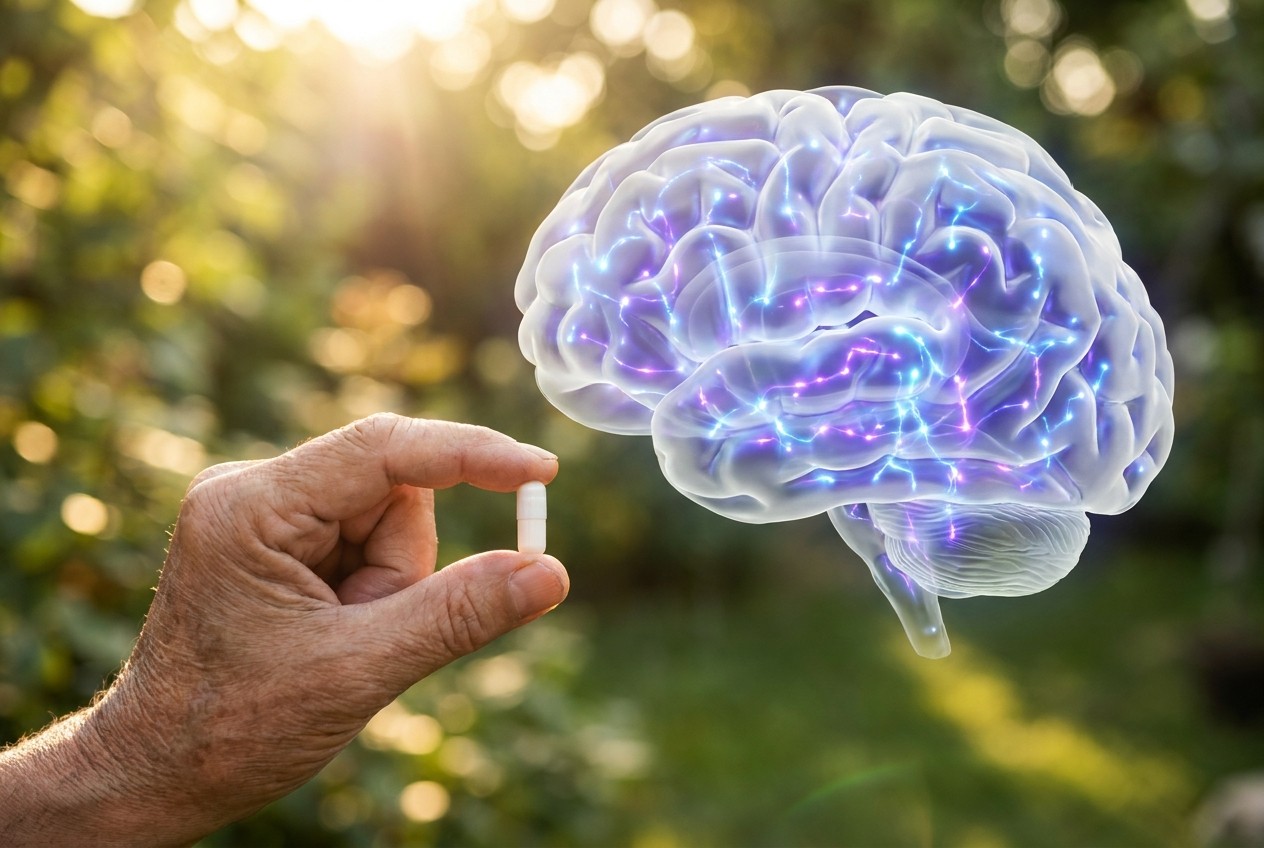
A 12-week randomized, placebo-controlled trial found that daily supplementation with 500 milligrams of citicoline was associated with greater improvement on some measures of memory in healthy older adults with age-associated memory impairment, according to an article published Oct. 30, 2026, by mindbodygreen that cited the peer-reviewed study.
The trial enrolled 100 healthy men and women ages 50 to 85. The citicoline group showed greater improvement than the placebo group on episodic memory and on an overall memory composite score, the study reported. The article stated that the study authors described episodic memory — memory for specific experiences, such as when and where something was encountered — as more vulnerable to aging than other types of memory and said it tends to decline after age 60.
The findings add to a body of research on citicoline, a compound the body produces and that is sold as a dietary supplement. Earlier research has examined the compound in people with cognitive impairments, but the article reported that few studies had looked at its effects in healthy older adults.
Study Design and Participants
Researchers recruited 100 healthy adults ages 50 to 85 who scored lower than young adults on a short-term memory test but were otherwise healthy, according to the article. Participants were randomly assigned to take either 500 milligrams of citicoline — described in the article as two capsules of Cognizin — with breakfast or a placebo every day for 12 weeks. All participants were asked to keep their usual diet, exercise and sleep habits, and they completed computerized memory and attention tests at the start and end of the study, the article stated.
The design used a placebo control, a standard method for limiting the influence of expectation on cognitive test results. The article reported that earlier research found citicoline supported memory in people with a range of cognitive impairments, but that few studies had examined healthy older adults.
The study’s 12-week duration and its sample of 100 participants place it among short-term trials of the compound. A separate review of citicoline research noted that trials in older individuals and in people with dementia have generally been short-term, and a Cochrane systematic review suggested there is some evidence of citicoline’s effectiveness [1].
Memory Test Results
After 12 weeks, the citicoline group improved more than the placebo group on episodic memory, according to the article. The citicoline group also improved on an overall memory score drawn from four separate memory tests, with scores rising by an average of 3.78 points compared with 0.72 points in the placebo group, the article stated.
The results were mixed across individual tests. The main measure researchers planned to track — short-term memory for where things are — improved in the citicoline group compared with its starting point but did not improve enough to beat the placebo group, according to the article. Not every test moved, the report stated. The article described the findings as showing greater improvement in the citicoline group on some memory measures while noting the mixed results across tests.
The pattern is consistent with prior research on the compound. Published studies have found that citicoline given to groups of elderly people was associated with improvements in memory, attention, behavior, reaction time, relational life, independence and cooperation, and that in older adults with memory deficits but without dementia, citicoline supplements significantly improved immediate and short-term memory [2]. A systematic review concluded that citicoline supplementation shows positive effects on cognition in individuals diagnosed with mild cognitive impairment [3].
Proposed Mechanism and Context
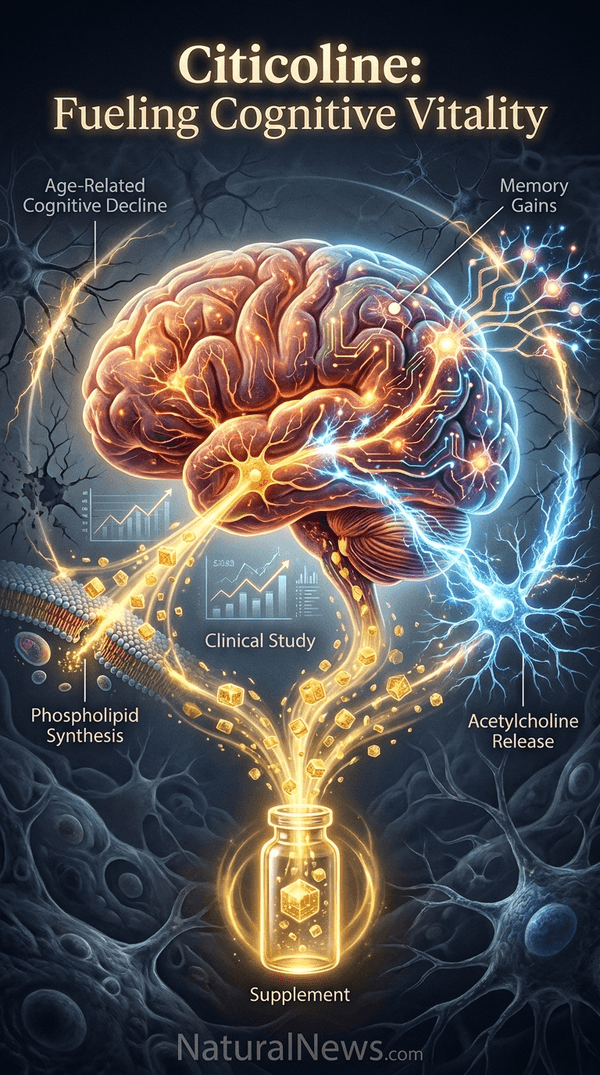
The researchers said episodic memory is more vulnerable to aging than other types of memory, and long-term studies show it tends to decline after age 60, according to the article. Citicoline, also called CDP-choline, is a compound the body makes as it builds fatty membranes around cells and is a source of choline, a nutrient the brain relies on for signaling and membrane integrity. The authors suggested citicoline supports the body’s production of phosphatidylcholine, the main fat in brain cell membranes, and that levels of this fat naturally drop with age while older adults also take up less choline into the brain, according to the article. Boosting this building block may be one way citicoline supports memory, the study authors suggested.
The same article stated that 91.7% of Americans fail to meet daily intake recommendations. Citicoline is a source of choline and has been studied for its role in building cell membranes and supporting brain function [4].
A pharmacokinetic study in rats using carbon-14-labeled citicoline confirmed almost complete absorption with oral administration, with calculated oral bioavailability approximately 92% of that obtained from intravenous dosing; absorption was categorized as slow and complete with sustained blood levels peaking around 5.5 hours after administration [5]. The supplement form used in the trial was Cognizin citicoline, at the dose described in the article.
Takeaway and Safety Note
The article stated that habits such as getting enough sleep, staying physically active, eating a nutrient-rich diet and choosing research-backed supplements can all play a role in caring for the brain with age. It stated that citicoline is one nutrient to consider and that pairing it with creatine may offer additional benefits for brain energy and cognitive performance. Creatine monohydrate, a supplement long associated with muscle strength and athletic performance, is increasingly being studied for its effects on brain health, according to an article published by NaturalNews.com.
The article advised people who are pregnant, breastfeeding or taking medications to consult a doctor before starting a supplement routine. It was published by mindbodygreen, which sells a supplement containing Cognizin citicoline and creatine monohydrate and recommends that product in the article. The article did not report serious adverse events from the trial.
The study adds evidence on a compound that has been investigated mainly in people with cognitive impairments. The results covered 12 weeks and a single dose, and the article reported mixed results across tests. The long-term effects of daily citicoline use in healthy older adults were not addressed in the article.
References
- Complementary therapies in neurology: an evidence-based approach. Barry S. Oken
- Prescription for Natural Cures. James F. Balch
- Research Suggests Citicoline May Help Adults Experiencing Cognitive Decline – NaturalNews.com, April 21, 2026.
- The memory chemical How a key nutrient is shaping the fight against cognitive decline – NaturalNews.com, March 09, 2026.
- Textbook of Natural Medicine. Murray Michael T Pizzorno Joseph E
Explainer Infographic
Submit a correction >>
Tagged Under:
aging secrets, alternative medicine, brain function, brain health, Citicoline, cognitive function, cognitive health, health science, longevity, natural cures, natural health, natural medicine, Naturopathy, nutrients, remedies, research, supplements
This article may contain statements that reflect the opinion of the author
RECENT NEWS & ARTICLES